For many travellers, Turkish food begins and ends at the hotel buffet. Yet the real culinary
magic starts once you venture into the streets: humble neighbourhood lokantas,
charcoal-fired kebapçı grills, and waterfront seafood taverns. Discover the true difference
between Adana and İskender kebabs, why lentil soup is eaten at dawn, and how to spot genuine
crunchy pistachio baklava.
The Art of the Kebab: From Spicy Adana to Buttery İskender
In Turkey, kebab is a time-honoured culinary art perfected over charcoal embers, not
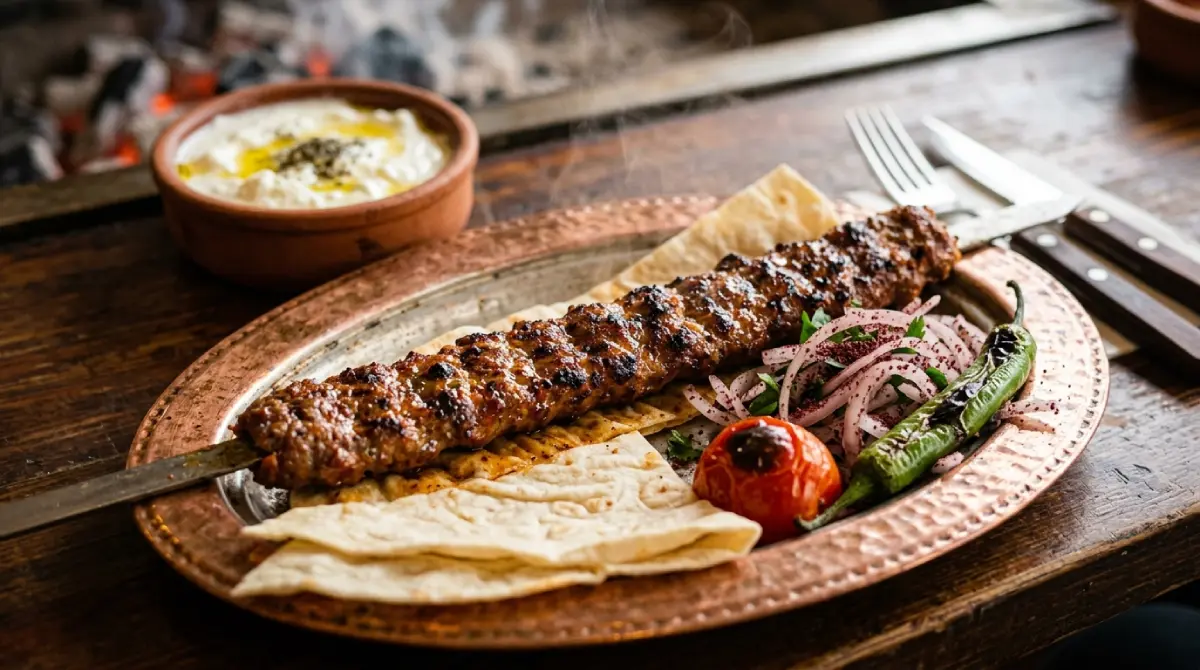
late-night takeaway food. Sample hand-minced, fiery Adana Kebab, milder
Urfa, or legendary İskender Kebab from Bursa—tender slices of döner
meat layered over pide croutons, smothered in tomato gravy, thick yogurt, and sizzling
melted butter.
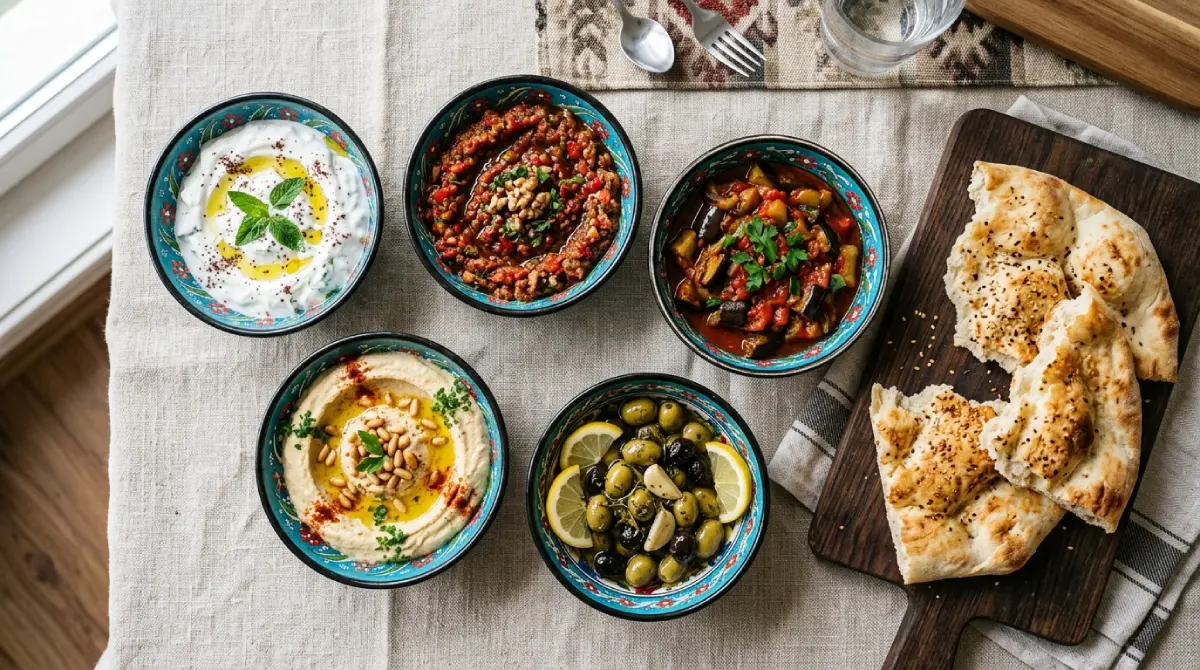
A genuine Turkish feast simply cannot exist without meze. Creamy garlic-and-mint yogurt
(Haydari), spicy crushed tomato and pepper relish (Acılı Ezme),
roasted aubergines in tomato sauce (Şakşuka), and warm puffed bread set the
stage for any long dinner.
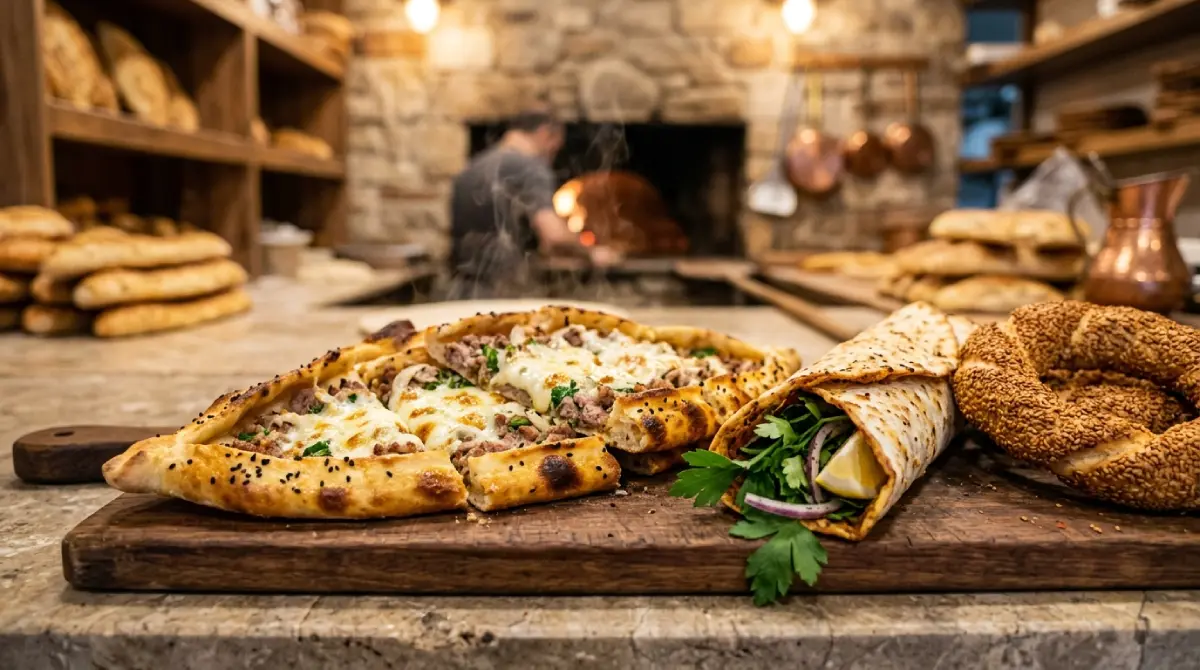
Golden canoe-shaped stone-baked breads (Pide), paper-thin crispy flatbreads
spread with minced lamb and herbs (Lahmacun), sesame-encrusted breakfast rings
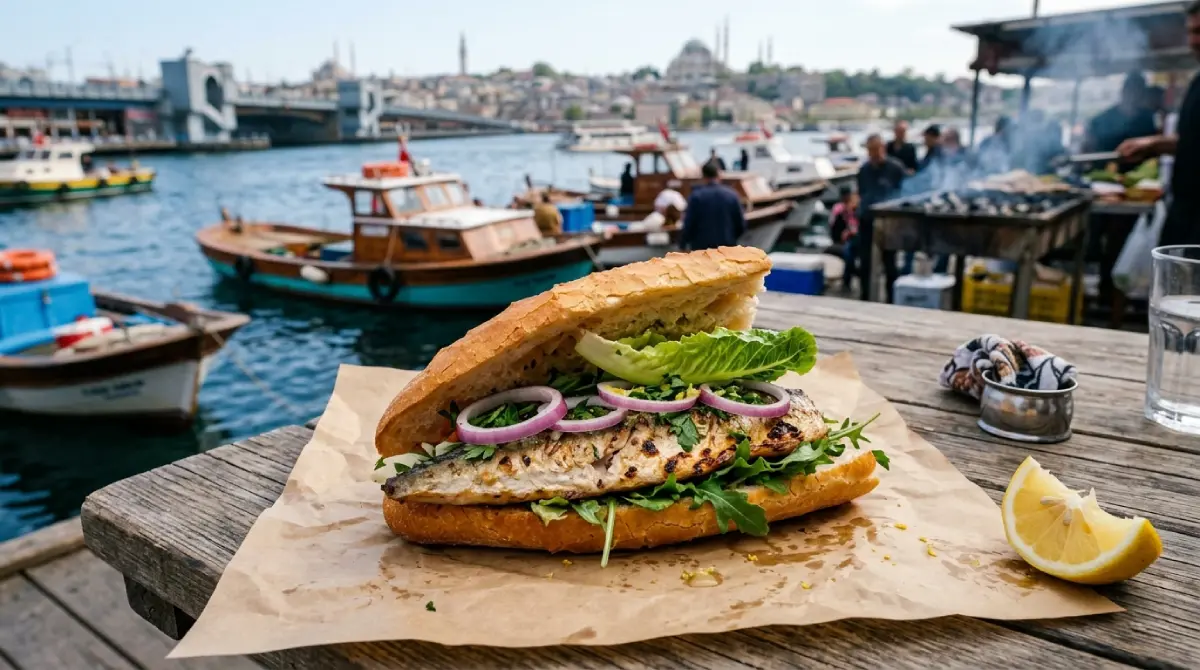
(Simit), and hot grilled mackerel baguettes served right off harbour boats.
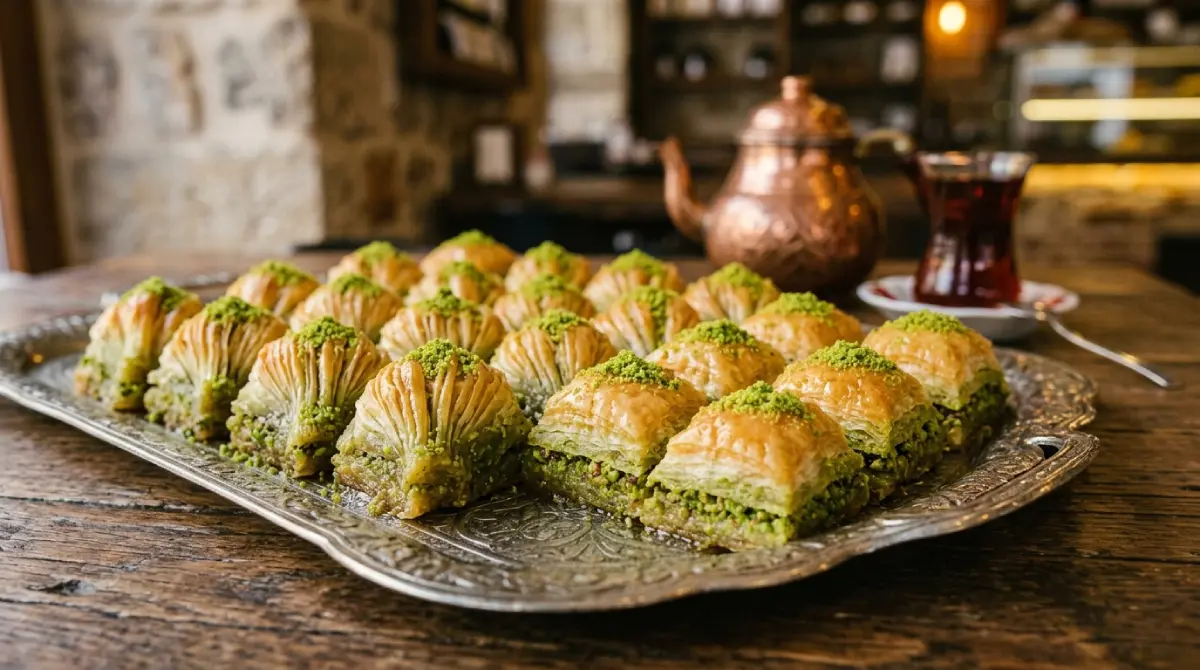
Countless paper-thin layers of filo pastry packed with vibrant Antep pistachios,
piping-hot Künefe layered with stretchy unsalted cheese in syrup, and chewy
Dondurma ice cream made with wild mountain orchid root (salep).
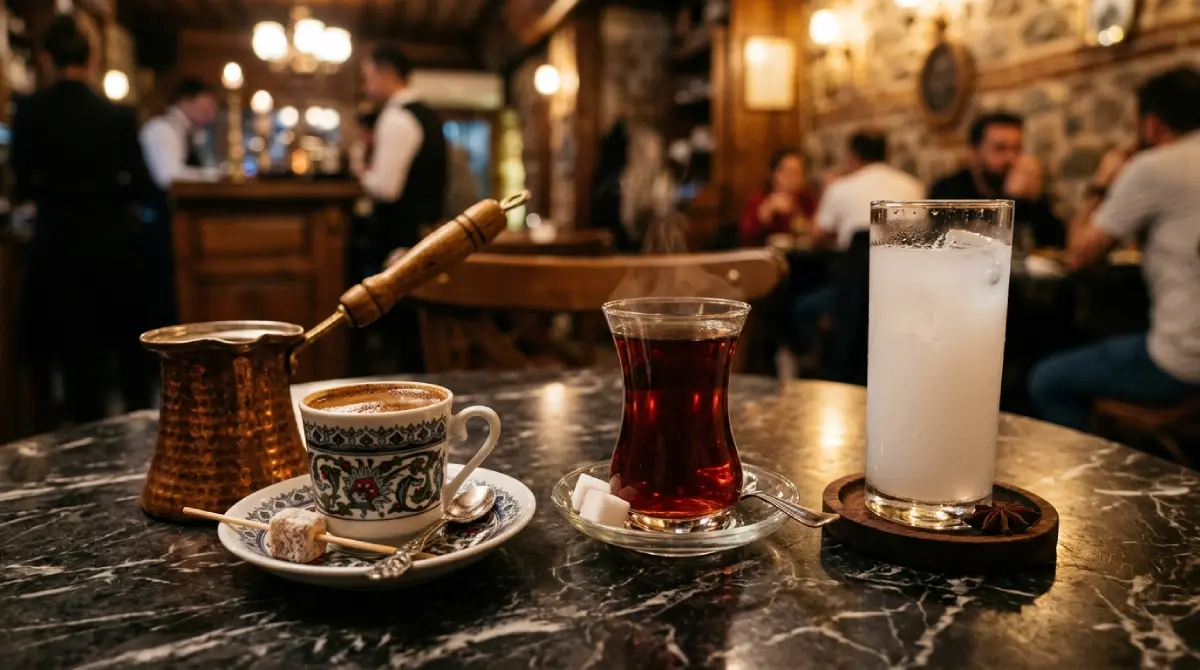
Piping-hot black çay served around the clock, velvety Turkish coffee brewed in
a copper cezve, chilled salted yogurt drink (Ayran), and national aniseed
spirit Rakı clouding into 'Lion's Milk' with cold water.
Turkish Cuisine Decoded: From Nomadic Campfires to Imperial Sultans'
Feasts
Food historians routinely rank Turkish cuisine among the world’s three grandest culinary
traditions—alongside French and Chinese. It represents an extraordinary fusion: the rustic
ingenuity of Central Asian nomadic tribes, the Mediterranean passion for fresh produce and
olive oil, and the refined decadence of Istanbul's Topkapı Palace kitchens, where hundreds
of master chefs competed for the Sultan’s favour across centuries.
Contrary to widespread holiday myths, Turkish food is far more than just rotating meat
skewers. It is an intricately balanced world of earthy pulse soups, slow-braised olive oil
dishes (zeytinyağlılar), stuffed vegetables (dolma), hand-foraged mountain
herbs, and fresh seafood hauled from Turkey's four surrounding seas.
1. The Definitive Kebab Guide: It Isn't Just Late-Night Fast Food
In Western cities, "kebab" frequently conjures images of shaved meat stuffed into thick pita
with heavy garlic sauce. In Turkey, the word kebap simply means meat
roasted on a spit, skewer, or in a clay oven. Virtually every city across Anatolia guards
its own proud regional recipe.
Here are the premier regional styles you should never miss:
Adana Kebap: The undisputed king of the charcoal grill from southern
Turkey. Made from knife-minced lamb blended with lamb tail fat (kuyruk yağı),
red pepper flakes, and salt. Hand-pressed onto broad iron skewers and cooked over
embers, it is richly juicy and distinctly spicy.
Urfa Kebap: The gentler cousin of Adana from the ancient city of
Şanlıurfa. Prepared identically with minced lamb, but without fiery peppers—ideal for
children or those who prefer mild flavours.
İskender Kebap: The crowning glory of Bursa. Thin ribbons of roasted
döner meat are layered over bite-sized pieces of warm, charred pide bread, then drenched
in warm spiced tomato gravy. Served alongside a generous dollop of thick sheep's milk
yogurt, the waiter finishes the dish at your table by pouring sizzling browned butter
over the plate. Pure heaven!
Şiş Kebap: The classic Anatolian shish skewer—succulent cubes of
marinated milk-fed lamb (Kuzu Şiş) or tender chicken breast (Tavuk
Şiş), char-grilled on skewers alongside sweet green peppers and whole tomatoes.
Köfte (Kofteler): Spiced meatballs crafted from minced beef and lamb,
seasoned with cumin, garlic, and fresh flat-leaf parsley. Celebrated regional varieties
include springy İnegöl Köfte and garlicky meatballs from Tekirdağ.
2. Meze Culture: The Feast Begins with Shared Plates
When you walk into a traditional tavern, your waiter will not simply hand you a printed
menu. Instead, you will be invited to an illuminated glass counter or presented with an
enormous circular tray (tepsi) laden with small plates. This is
meze—the social heart of Turkish dining. Guests order several small dishes
to share in the centre of the table, scooping up creamy bites with torn pieces of warm
flatbread.
Cold Meze (Soğuk Mezeler)
Haydari: ultra-thick strained süzme yogurt blended with fresh mint,
garlic, and extra-virgin olive oil. Acılı Ezme: finely hand-diced
salad of ripe tomatoes, hot peppers, onions, and tart pomegranate molasses.
Şakşuka: fried cubes of aubergine and courgette simmered in rich
garlic-tomato sauce. Hummus: creamy chickpea-tahini purée, often
served warm topped with sizzling butter and cured pastırma beef.
Warm Starters (Ara Sıcaklar)
Sigara Böreği: crispy cigar-shaped rolls of paper-thin yufka pastry
stuffed with salty feta cheese and parsley. Karides Güveç: wild
shrimp baked in individual earthenware clay dishes with garlic, tomatoes, and molten
melted kaşar cheese. Kalamar Tava: crispy fried squid rings paired
with garlicky walnut-tarator dipping sauce.
3. Turkish Street Food: Fast, Fresh & Phenomenally Flavourful
Street food in Turkey is a celebrated culinary tradition that is exceptionally fresh and
safe. Meals are assembled on the spot right before your eyes:
Pide: Frequently dubbed "Turkish pizza". Boat-shaped yeast flatbread
baked in wood-fired ovens until the crust blisters. Popular toppings include
Kuşbaşılı (tender diced beef with peppers and tomatoes), Kıymalı
(minced spiced meat), and Kaşarlı (bubbling yellow cheese).
Lahmacun: Paper-thin, crispy round flatbread spread with an aromatic
layer of minced lamb, tomatoes, sweet peppers, and fresh herbs. Spritz it generously
with fresh lemon juice, pile high with fresh parsley, and roll it up tightly like a
wrap.
Balık Ekmek: The legendary street taste of Istanbul’s Eminönü
waterfront. Half a crusty white loaf stuffed with a freshly grilled mackerel fillet,
shredded lettuce, sliced red onions, and a splash of lemon juice. A delicious waterfront
meal for pocket change!
Simit: The king of Turkish breakfasts. A circular, chewy bread ring
dipped in grape molasses (pekmez) and heavily crusted with toasted sesame seeds. Best
enjoyed fresh in the morning from a street cart alongside a triangle of soft cheese.
Midye Dolma: Plump black mussels on the half shell stuffed with spiced
herbed rice, pine nuts, and currants, sold by night vendors with compulsory fresh lemon
wedges.
Iconic Turkish street eat: Balık Ekmek – freshly grilled mackerel tucked into a
crusty roll with onions and lemon, served straight from harbour boats (photo: tucoo.pl)
4. Traditional Soups (Çorbalar) – How Turkey Starts and Ends the Day
In Turkey, soup is never merely a modest dinner appetizer. Steaming bowls are consumed for
breakfast, enjoyed at midday, and savoured late into the night after socializing. Dedicated
24-hour soup halls (Çorbacı) operate around the clock across every Turkish city.
The undisputed queen of Turkish soups is Mercimek Çorbası—a silky, velvety
purée of red lentils cooked with onions and carrots in vegetable or meat broth. It is always
served with a wedge of fresh lemon to squeeze directly into the bowl, alongside a drizzle of
paprika-infused melted butter. Another beloved classic is Ezogelin Çorbası
("the bride’s soup"), combining red lentils with bulgur wheat, rice, and fragrant dried
mint. Adventurous foodies swear by Kelle Paça (a rich, gelatinous soup made from
sheep’s head and trotters laced with crushed garlic and vinegar), revered locally as the
ultimate cure for fatigue.
5. Turkish Sweets & Desserts: From Honeyed Pastry to Milk Puddings
Turkish confectionery is broadly split into two camps: syrup-soaked filo masterworks and
delicate, soothing milk-based puddings (Sütlü Tatlılar).
Baklava: The royal empress of desserts. True Gaziantep baklava features
at least 40 paper-thin layers of filo pastry rolled by hand using wheat starch, brushed
with clarified butter, and packed with brilliant green emerald pistachios. Baked golden
and drenched in boiling sugar syrup, a first-rate baklava delivers a distinct, crisp
crunch the instant you bite into it.
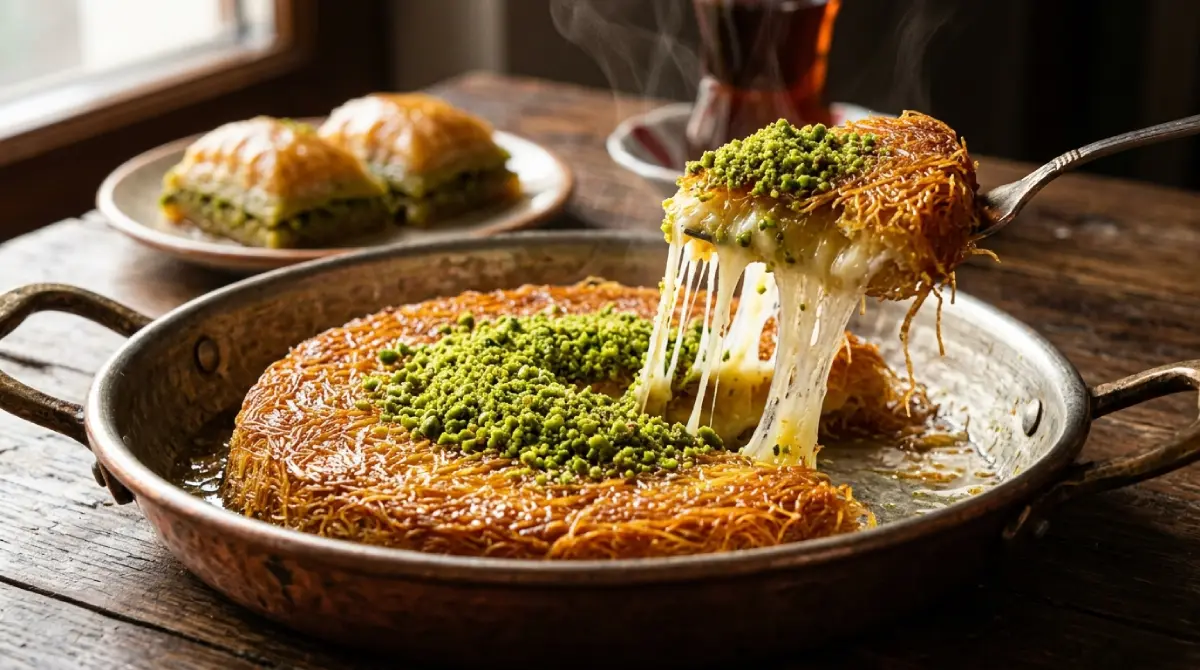
Künefe: A divine warm dessert originating from Hatay. Shredded filo
dough threads (kadayıf) encase a thick layer of unsalted stretchy goat or cow cheese.
Cooked in round copper pans over low heat until crispy, it is soaked in sweet syrup and
generously blanketed with ground pistachios. The pull of molten cheese against crunchy
sweet pastry is sheer magic!
Fırın Sütlaç: Comforting rice pudding baked in rustic clay bowls until
the top forms a deeply caramelized, toasted skin. Served chilled, it is light, soothing,
and subtly sweet.
Dondurma: Traditional Turkish ice cream from the mountain city of
Kahramanmaraş. Its miraculously stretchy, chewy texture comes from the addition of
salep (wild mountain orchid bulb flour) and mastic resin. It resists melting in
the summer heat and is often eaten with a knife and fork!
Authentic Gaziantep pistachio baklava – layers of handcrafted filo pastry loaded
with emerald Antep pistachios and fragrant syrup (photo: tucoo.pl)
6. Essential Spices – The Soul & Aroma of Anatolian Cooking
Turkish cooking is rarely aggressively spicy; the aim is always to elevate the natural
sweetness of meat, pulses, and vegetables rather than masking them. The secret lies in
masterfully balanced seasonings:
Pul Biber: Sun-cured crushed red pepper flakes gently rubbed with sea
salt and a drop of olive oil. They possess a smoky, fruity warmth rather than raw burn.
Sumac (Sumak): Ground deep-purple dried berries providing an
astringent, lemony tartness. Dusted over sliced raw red onions, salads, and grilled
meats.
Anatolian Cumin (Kimyon): Pungent and earthy, an essential seasoning
for köfte meatballs and spiced ground kebab meats.
Nane (Dried Mint): Whisked into cold yogurt dips, folded into red
lentil soup, and sprinkled over warm summer stews.
Urfa Biber (Isot): A dark, fermented sun-dried pepper with a
raisin-like, chocolatey depth and gentle creeping warmth.
7. Drinks & Spirits: What Do People Drink in Turkey?
Drinking culture in Turkey is every bit as vibrant as the dining scene. Alongside
restorative hot teas, hot summer days call for fermented, ice-cold beverages:
Çay (Turkish Tea): Consumed by the litre from morning until late
evening. The strong, crystal-clear ruby brew steeped in a double-boiler çaydanlık is
served piping hot with two sugar cubes in curved tulip glasses.
Türk Kahvesi (Turkish Coffee): Simmered slowly in a copper cezve pot,
poured unfiltered with a thick velvety froth on top. Milk is never added! Specify your
sweetness when ordering: sade (black, no sugar), orta (medium sweet),
or şekerli (sweet).
Ayran: Whisked fresh yogurt blended with cold water and a pinch of
salt. Immensely refreshing, it restores electrolytes and tames the fiery heat of spicy
kebabs.
Şalgam Suyu: A sour, salty, and fermented deep-purple juice made from
black turnips, purple carrots, and bulgur, traditionally sipped alongside spicy kebabs
or raki.
Rakı (Aniseed Spirit): Turkey’s national spirit, double-distilled from
grapes and green aniseed. Poured neat into a tall glass, then topped with cold water and
ice. The clear spirit turns instantly milky-white, earning its legendary nickname
Aslan Sütü (Lion's Milk).
Beer and Wine: The undisputed national pale lager is Efes
Pilsen. Turkey also produces remarkable wines made from indigenous grape
varieties grown in Cappadocia, Thrace, and the Aegean (such as robust reds
Öküzgözü and Boğazkere, or crisp white Narince).
REKLAMA
Dining Directory
Where to Eat in Turkey? Eatery Types & Restaurant Culture
Lokanta (Esnaf Lokantası)
Traditional tradesmen canteens. Warm homestyle meals wait behind glass steam counters:
slow-cooked stews, stuffed vegetables, pilafs, and hot soups. Just point to whatever looks
tempting. The most delicious, authentic, and budget-friendly meal you can
find.
Kebapçı (Ocakbaşı)
Eateries dedicated entirely to charcoal-grilled meats. In an Ocakbaşı, you can pull
up a stool directly beside the long, hooded copper grill and watch the pitmaster turn your
Adana skewers over glowing embers.
Meyhane (Traditional Tavern)
Vibrant social taverns built for evening gatherings with live acoustic music (fasıl), chilled
carafes of Rakı, and endless meze plates. People never visit a meyhane for a rushed
dinner—it is meant for long hours of heartfelt conversation.
Balıkçı (Seafood Restaurant)
Waterfront and marina dining spots. You inspect fresh whole catches laid out on shaved ice
(such as sea bream çipura or sea bass levrek), which are weighed and
grilled to order before your eyes.
Foodie Cheat Sheet
Turkish Cuisine at a Glance – Quick Dish & Ordering Guide
Browsing a restaurant menu and wondering what to order first? Use our handy cheat sheet to
choose iconic dishes and navigate Turkish eateries like a seasoned local.
Top Dishes to Try in Turkey
Dish
Category / Type
Flavours & Key Ingredients
Where to Order It?
Mercimek Çorbası
Soup (Çorba)
Silky red lentils, lemon juice, paprika-infused butter
Any Lokanta or Çorbacı soup hall
Adana Kebap
Grilled Meat
Knife-minced lamb on skewers, tail fat, red peppers
Traditional Kebapçı / Ocakbaşı grill
İskender Kebap
Regional Specialty
Döner ribbons on pide croutons, tomato gravy, yogurt, hot butter
Strained süzme yogurt, crushed garlic, olive oil, dried mint
A classic Meyhane tavern alongside Rakı
Balık Ekmek
Seafood Street Food
Freshly grilled mackerel in a crusty roll with lettuce and onions
Harbour quays (e.g. Eminönü in Istanbul)
REKLAMA
Frequently Asked Questions
Eating & Dining in Turkey – FAQs
How much does a meal cost in a Turkish restaurant?
Prices vary depending on the eatery style. At an authentic Lokanta, a
filling two-course lunch (soup, main meat stew with rice, and bread) costs very little.
A full meal at a popular Kebapçı typically runs between 250 and 450
Turkish Lira (TRY), while a multi-course seafood dinner with meze and wine at a coastal
tavern ranges from 600 to 1200 TRY per person.
Can you eat pork in Turkey?
In standard Turkish restaurants and local eateries, pork is completely absent due to
Islamic dietary laws (halal). All kebabs, meatballs, and stews are prepared with lamb,
beef, veal, or chicken. Pork items are occasionally found only in imported specialty
sections of large chain supermarkets (like select Migros branches) or in upscale resorts
catering exclusively to Western tourists.
How do you properly drink Turkish Rakı?
Rakı (aniseed spirit) is sipped from slender kadeh glasses and should never be knocked
back as a quick shot. Pour a measure of spirit, dilute it with chilled still water
(which turns the clear liquor milky white, earning it the name Aslan Sütü or
Lion's Milk), and add ice cubes. Sip it unhurriedly over conversation, nibbling on sweet
honeydew melon, salty white cheese (beyaz peynir), and cold meze.
Is tap water safe to drink in Turkey?
It is strongly recommended to drink only commercially bottled spring or mineral
water. Although municipal tap water in hotels and towns is treated and safe
for brushing teeth, it carries a heavy mineral and chlorine content with unfamiliar
bacterial flora that can upset sensitive stomachs.
How much should you tip (bahşiş) in Turkey?
Tipping is customary and welcomed across Turkey. In casual tea gardens and self-service
lokantas, simply round up your change or place small coins in the cashier's Tip
Box. In sit-down restaurants with table service, leaving a cash tip of
around 10% of the bill on the table is the accepted standard.
I am an avid enthusiast of travel, tourism, and web development. I craft every guide with dedication and attention to detail based on personal travel experiences, enhancing selected visual materials and editorial content with modern digital tools and AI graphics. I make every effort to ensure all information, prices, and tips remain accurate and up to date. If you notice an error, inaccuracy, or recent changes on the ground – I would be grateful for your feedback:

 FOODIE GUIDE